Hidden Friction in Big Rooms: Why Clarity Still Slips
In a packed summit, words travel a long road: microphone to audio codec, codec to light or radio, and back to the headset. An interpretation system ties these links so meaning survives the trip. Yet many venues still depend on legacy rigs or mixed-brand stacks of multilingual conference equipment. Operators report 200–400 ms round-trip delay, channel bleed on crowded RF bands, and booth fatigue from long sessions. In one regional forum, more than a quarter of attendee notes pointed to “uncertain channels” or “late audio.” So the question is simple: if we upgraded the screens and cameras, why does the ear still wait (pois, that delay costs attention)? Look, it’s simpler than you think: small gaps add up. A jittery DSP matrix here, a slow audio transcoder there, and the whole chain drifts.
Where does latency creep in?
Technical truth: traditional fixes chase symptoms. Add another infrared radiator, tweak gain, swap headsets—still, the latency budget stays opaque. Hidden pain points thrive in the gray space between boxes: unmanaged clock sync, congested RF channels, and power converters without redundancy. Delegates feel it as micro-pauses that break flow. Interpreters feel it as heat, noise, and cognitive strain in the booth. Tech staff feel it when ad-hoc routing makes fault traces slow—funny how that works, right? The core flaw is architectural. Without end-to-end timing control and channel isolation, small errors become big. And when a moderator pivots from floor to floor-plus-remote feeds, the system stumbles. Bem, that’s the moment meaning wobbles. Next, let’s see what a cleaner path looks like.
Comparative Principles: From Patchwork to Predictable
What’s Next
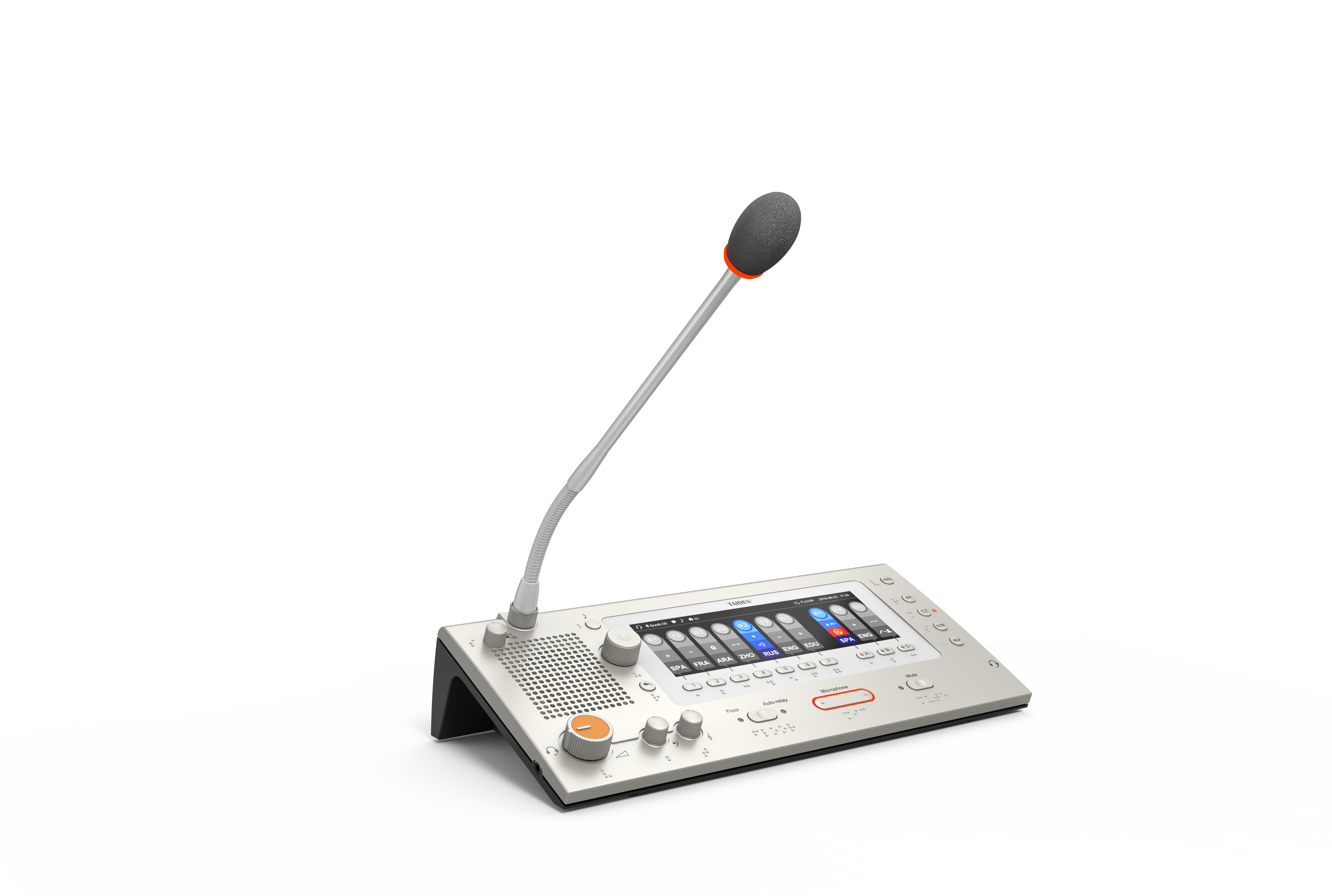
Forward-looking systems put timing and robustness at the center—before features. Instead of stacking boxes, they align clocks across edge computing nodes, set a strict latency budget, and use codecs tuned for speech intelligibility (low algorithmic delay, stable packet recovery). Infrared distribution becomes predictable with smart channel allocation; RF is a fallback, not the battlefield. In practice, a modern platform like a taiden simultaneous translation system can stitch DSP, routing, and monitoring into one timeline. Not magic—method. You get deterministic path length, real-time SNR checks, and fast failover on power rails. The contrast with legacy patchwork is stark: fewer handoffs, fewer unknowns, better headroom when a session adds remote links. And yes, this is where beamforming microphones and echo control help, but only if the chain stays clock-true and channel-clean.
Take the booth experience. When audio paths are tight, interpreters hear steady cues and speak in rhythm. Delegates catch nuance, not delay. Techs can see, at a glance, if an infrared carrier is near saturation or if packet recovery is masking a new fault. The essentials we flagged before—codec delay, RF congestion, brittle routing—don’t vanish, they’re designed around. A comparative frame helps: old approach treats each device as an island; new approach treats the chain as one system, with measured guardrails and clear diagnostics (tudo bem, that’s the win). It’s a calm kind of progress—less spectacle, more reliability.

Before you choose, use three metrics that travel well across brands: 1) End-to-end latency under load: can the system hold sub-150 ms with two interpreters, mixed sources, and recording? 2) Channel resilience: what IR/RF error correction, channel isolation, and SNR monitoring prevent bleed and dropouts? 3) Operability at scale: does the UI expose timing, routing, and power status so faults are found in under 60 seconds? Meet these, and most “mystery glitches” never start—because the architecture keeps them small. For practitioners who live by clear words and calm rooms, that is the real benchmark, whether you deploy today or plan for the next upgrade with TAIDEN.
