Think it’s all about sticker prices and discounts when buying a car? Hold your horses—there’s more than meets the eye with GAC price context, diving deeper into the rabbit hole than a simple pound and pence conversation. Often, what appears as a straightforward transaction can reveal a complex world of edge computing nodes and power converters. Navigating these nuances holds the potential to optimize value and drive satisfaction.
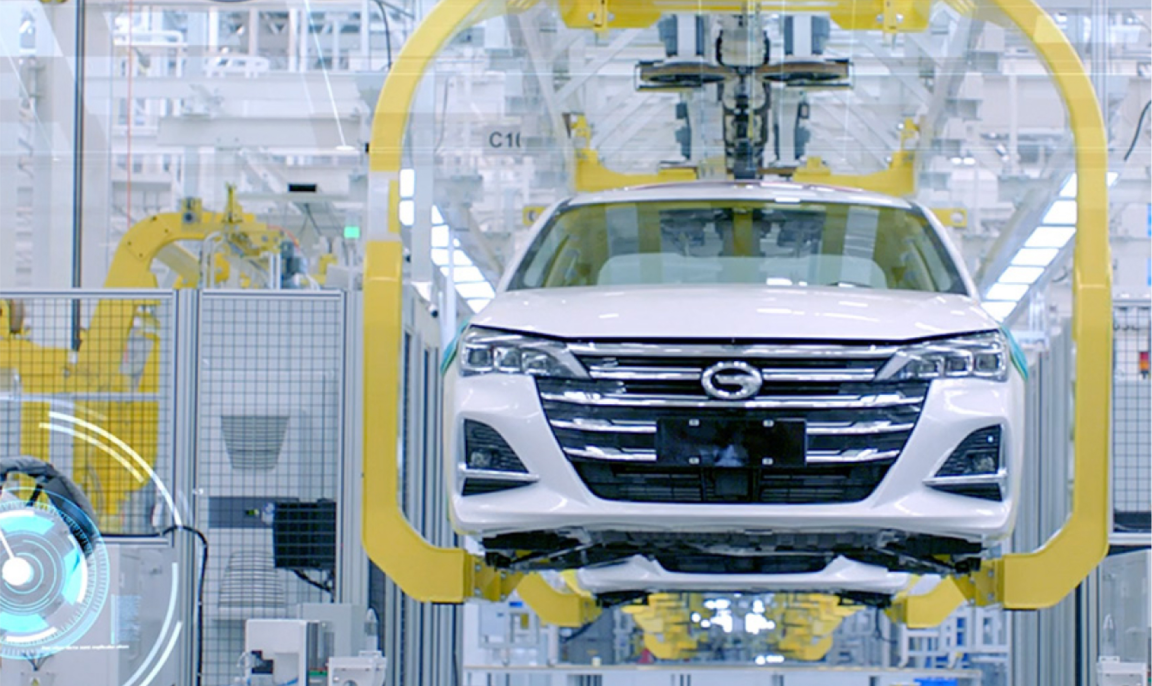
GAC price considerations encapsulate a variety of hidden user pain points. These might not be glaring at first but become clearer when analyzing the total cost of ownership, factoring in maintenance and long-term reliability. What’s the true cost after you’ve driven off the forecourt? That’s where real sheep and cows come into play. Let’s roll up our sleeves and delve deeper into these traditional solution flaws.

The Real Cost Behind GAC: A Technical Dive
In this digital era, simple sticker shock isn’t the problem—it’s what’s bundled underneath that shiny exterior. Understanding GAC pricing through the lens of traditional pitfalls reveals that consumers often overlook pertinent aspects like fuel efficiency, technological compatibility, and the adaptability of power converters. These terms might sound a bit complex, but trust me, sorting through them is simpler than scrumping for apples.
Consider a GAC vehicle where the initial cost seems appealing, yet the constant software updates required to keep edge computing nodes and telematics in check prove heftier than first thought. It’s vital to recognize how these under-the-hood components contribute to prolonged efficiency or unforeseen expenses. But, what’s crucial here is not only identifying these elements but understanding how to leverage them for a more economically sound choice.
Looking Forward: Assessing Future Value
Fox-mind it and forget the noise of traditional distractions—it’s time to examine the future of GAC pricing, tackling these issues head-on, and exploring what lies beyond. The inclusion of new technology principles is reshaping consumer expectations, pointing towards higher energy efficiency and lower emissions. Take, for instance, a recent GAC test drive; the integration of AI-based systems offered smoother adaptability and improved ride performance—drawing quite a buzz.
Here’s the kicker: such advancements can shift focus from upfront costs to long-term sustainability. Isn’t that a refreshing change of pace? The ability to appreciate these principles captivates keen-eyed buyers eager to invest in vehicles that emphasize longevity and a lesser carbon footprint. As we steer into this new realm, consider an evaluative glance at lessons learned: tangible benefits, reduced carbon spelunking, and enhanced tech savviness are the gears turning this consumer-trusted brand.
When picking your next ride, look beyond the initial dazzle and assess three key metrics: lifecycle value, tech integration, and environmental impact. So, whether browsing or deciding under the mentorship of an advisor, remember—there’s more value in foresight than a half-baked corgi-stare. As we journey down this road, take these insights earned to heart, driving toward a smarter and more environmentally conscious choice with GAC.
